

It is dangerous being a woman in South Africa. It is especially difficult being a working woman in South Africa.








It is dangerous being a woman in South Africa. It is especially difficult being a working woman in South Africa.
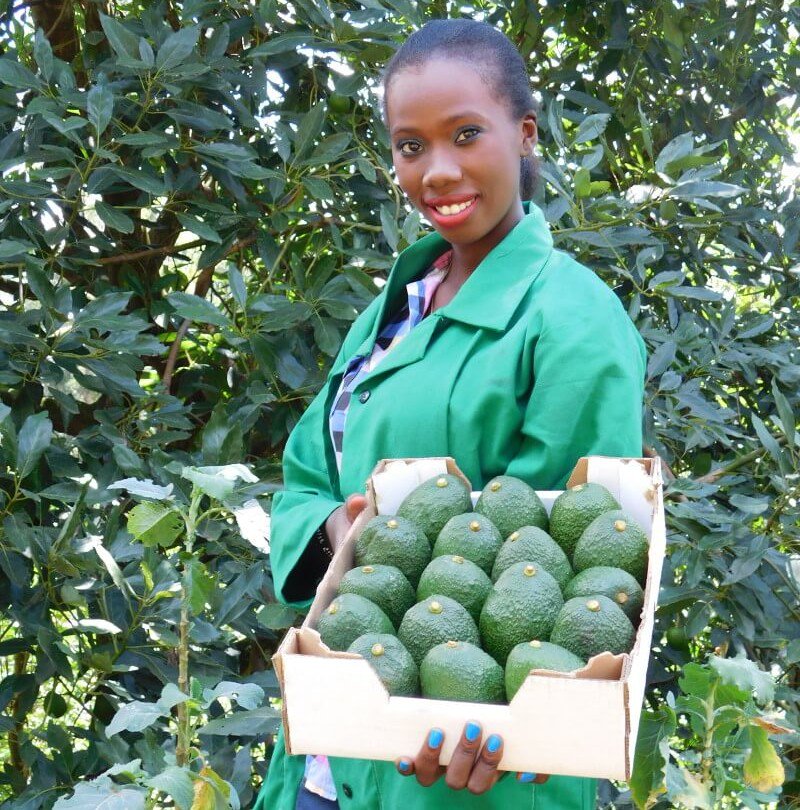
While 60-80% of smallholder farmers in sub-Saharan Africa are female, only an estimated 20% are landholders. "With females in farming jobs only making up less than half of the total, we can be certain that women who actually own the farms have numbers that are even less," says Ray-Ann Sedres, head of transformation at Santam
CLIMATE change is happening: Scientists say it is, environmentalists agree and, most important, women farmers report the truth of it. Oxfam is very clear that climate change is the biggest threat to global hunger and that it is the women who produce our food who suffer first — and worst.

Africa has seen the highest growth among businesses run by women in recent years. This would appear to be good news: entrepreneurship is arguably crucial for job creation and economic growth.

Size of land owned by women in Africa is 20 to 70 per cent less than that owned by men. Female households (households without male adult) have 45 per cent less land on an average. In fact, 25.2 per cent of female, as compared with 23.7 per cent of male, are food insecure in sub-Saharan Africa.

Veronica Braker has spent nearly her entire 27-year career in industries and roles traditionally dominated by men — manufacturing, engineering, plant management and agriculture — all while raising five children.

