
User Rating: 5 / 5

According to the World Bank, the production of critical minerals essential for renewable energy technologies, such as solar panels, wind turbines, and electric vehicles, is poised to increase by up to 500% by 2050.








User Rating: 5 / 5
According to the World Bank, the production of critical minerals essential for renewable energy technologies, such as solar panels, wind turbines, and electric vehicles, is poised to increase by up to 500% by 2050.
User Rating: 5 / 5
Building an agro-ecosystem can promote social cohesion, promote profitable continental and global trade, and create millions of jobs for Africa. Transformation in the level of the farmer should try to increase production, improve market access and increase product margins. Public-private initiatives can ensure capacity building and infrastructure development in areas such as financing.
Africa faces a growing population as well as the challenges of low agricultural production. Climate change, short autumn periods, deforestation, deteriorating farmland, and the loss of youth in urban farming communities further hinder the ability of African farms to increase crop yields. These measures are very local. However, they can be facilitated in three ways from a Pan-African perspective;
1. Best practice sharing. Providing best practice clearing houses for farmers’ associations and governments.
User Rating: 5 / 5
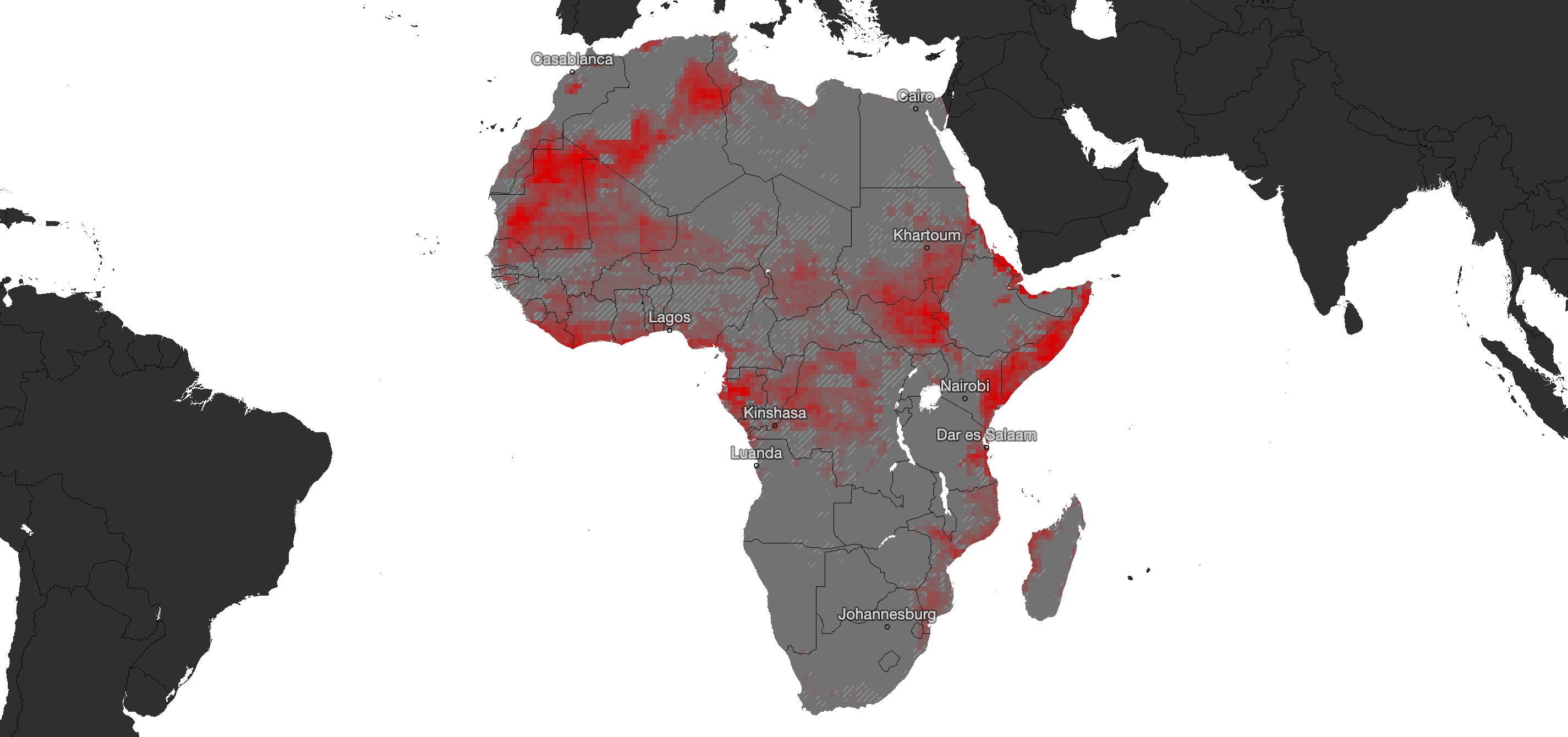
Africa plans to become a global food exporter by 2050, as the continent currently imports about $50 Billion worth of agricultural products per year.
User Rating: 5 / 5
Agriculture is an integral part of sub-Saharan Africa, where more than 60% of the population is smallholder farmers.
User Rating: 5 / 5
The Gulf of Guinea – a coastal region that stretches from Senegal to Angola – is endowed with vast reserves of hydrocarbon, mineral and fisheries resources. It is also an important route for international commerce, making it critical to the development of countries in the region.
User Rating: 5 / 5
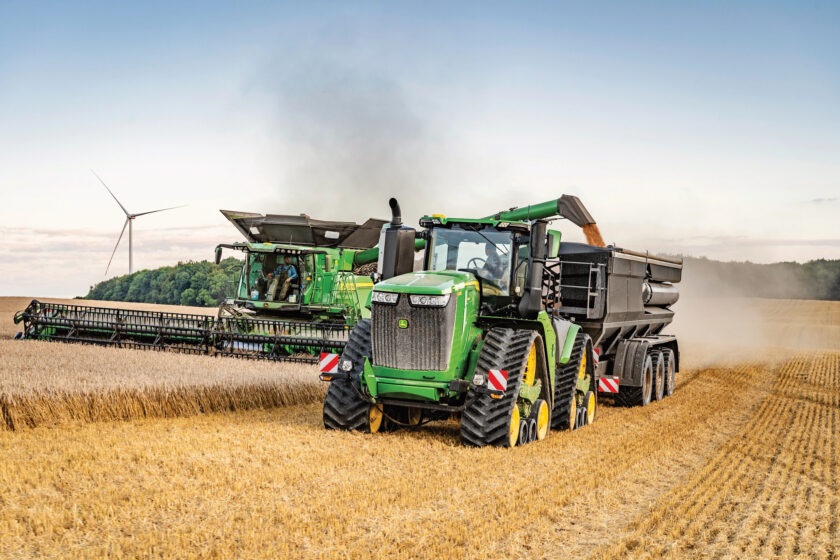
South Africa, Zambia and Zimbabwe have recently published reports indicating a potential decline in grain harvest because of intense El Niño-induced dryness.

